
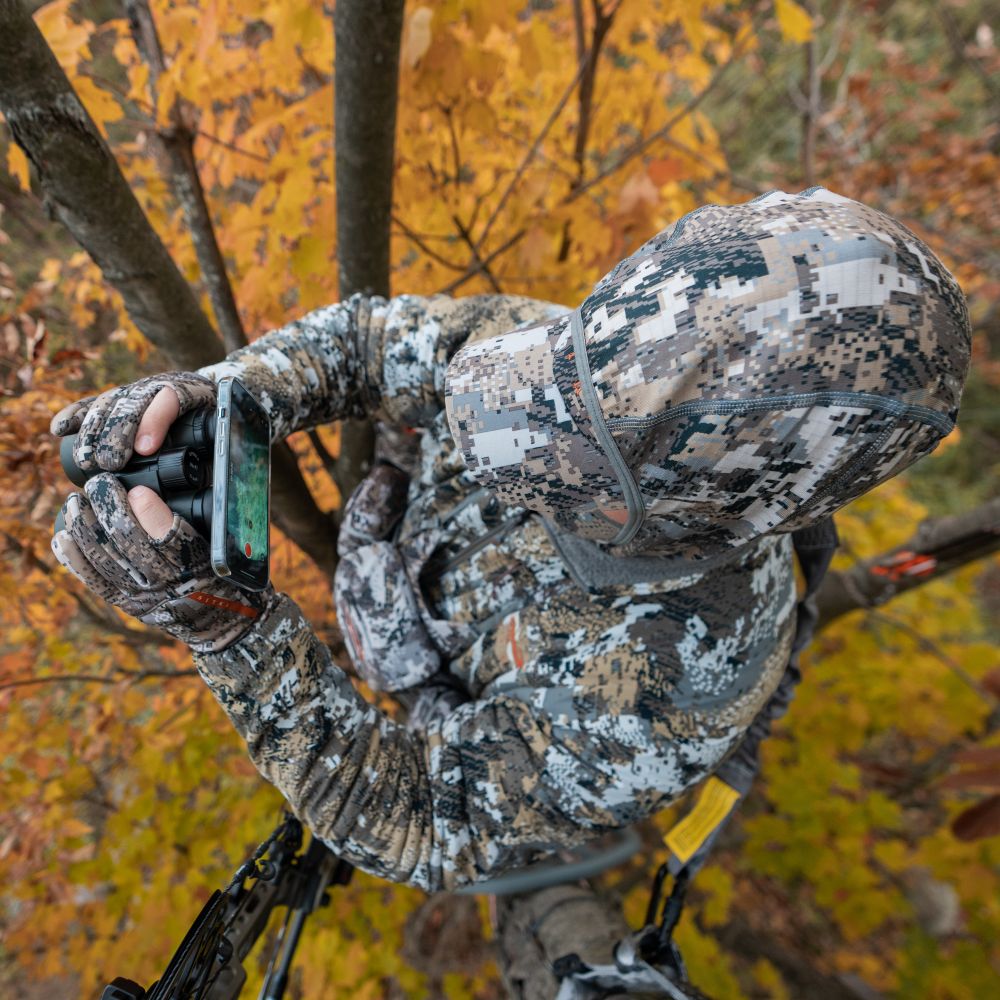

Digiscoping has changed the way birders, hunters, wildlife enthusiasts, and outdoor observers capture what they see in the field. By pairing a smartphone with a spotting scope or binoculars, you can capture high-magnification photos and video without carrying a dedicated camera and large telephoto lens.
Stabilized optics are not only becoming more common, but they have also changed the way hunters and bird watchers use optics in the field. Before the widespread adoption of stabilizing technology, few people would consider handheld 20x binoculars a good option due to the image being very shaky. It was also unheard of to have the ability to use a handheld spotting scope at even higher magnifications, but with stabilizing technology, both are now possible.
Whether you're glassing a distant ridge for a mule deer, watching a bird across a wetland, or documenting wildlife from a long distance, using stabilized optics can make digiscoping easier and help you get sharper, more usable images.
What Is Digiscoping?
Digiscoping is the process of using a smartphone or camera through an optical device such as a spotting scope, binocular, or monocular. Instead of relying solely on the phone's built-in camera zoom, digiscoping uses the magnification of the optic to bring distant subjects much closer.
A good digiscoping setup combines three key components:
- Quality optics to provide magnification and resolution
- A stable platform to minimize movement
- A phone adapter to precisely align the smartphone camera with the optic
This combination allows you to capture views that would be difficult or impossible with a smartphone alone.

Why Stabilization Matters for Digiscoping
The greater the magnification, the more noticeable movement becomes. At low magnification, a small amount of movement may barely be noticeable. Through a high-powered spotting scope, however, even a slight shake can cause the image to move significantly. That movement can make it difficult to find your target image, keep it centered, or capture a sharp photo.
This is where stabilized optics can provide an advantage. Stabilized binoculars and spotting scopes use electronic stabilization technology so with the push of a button or flick of a switch, that shaky image becomes stable and smooth in an instant. This means even high-power binoculars can used handheld in the field.
The Pros and Cons of Stabilized Optics
Like any piece of outdoor equipment, stabilized optics have advantages and tradeoffs.
The Pros
Steadier images: Stabilization helps compensate for movement, making high-magnification viewing easier.
Better digiscoping potential: A steadier image gives your smartphone camera a better opportunity to capture sharp photos and smooth video.
Easier subject acquisition: Stabilization can make it easier to locate and follow wildlife.
Reduced fatigue: A steadier image can make long glassing sessions more comfortable.
The Cons
Additional cost: Stabilized optics typically cost more than comparable non-stabilized optics.
Additional weight: The stabilization system can add weight, which may matter when you're carrying equipment deep into the backcountry.
Power requirements: Depending on the optic, electronic stabilization may require batteries or another power source.
Optical Quality: Currently the stabilized optics that are available do not compete with similarly priced high-end conventional optics. This may change in the near future, but it is hard to beat the image quality from the top reputable optics manufacturers.
For some users, the benefits will easily outweigh these tradeoffs. For others, a high-quality traditional optic mounted on a stable tripod may be the better choice.

Stabilized Optics Still Need a Good Support System
It's important to remember that optical stabilization doesn't eliminate the need for a stable setup.
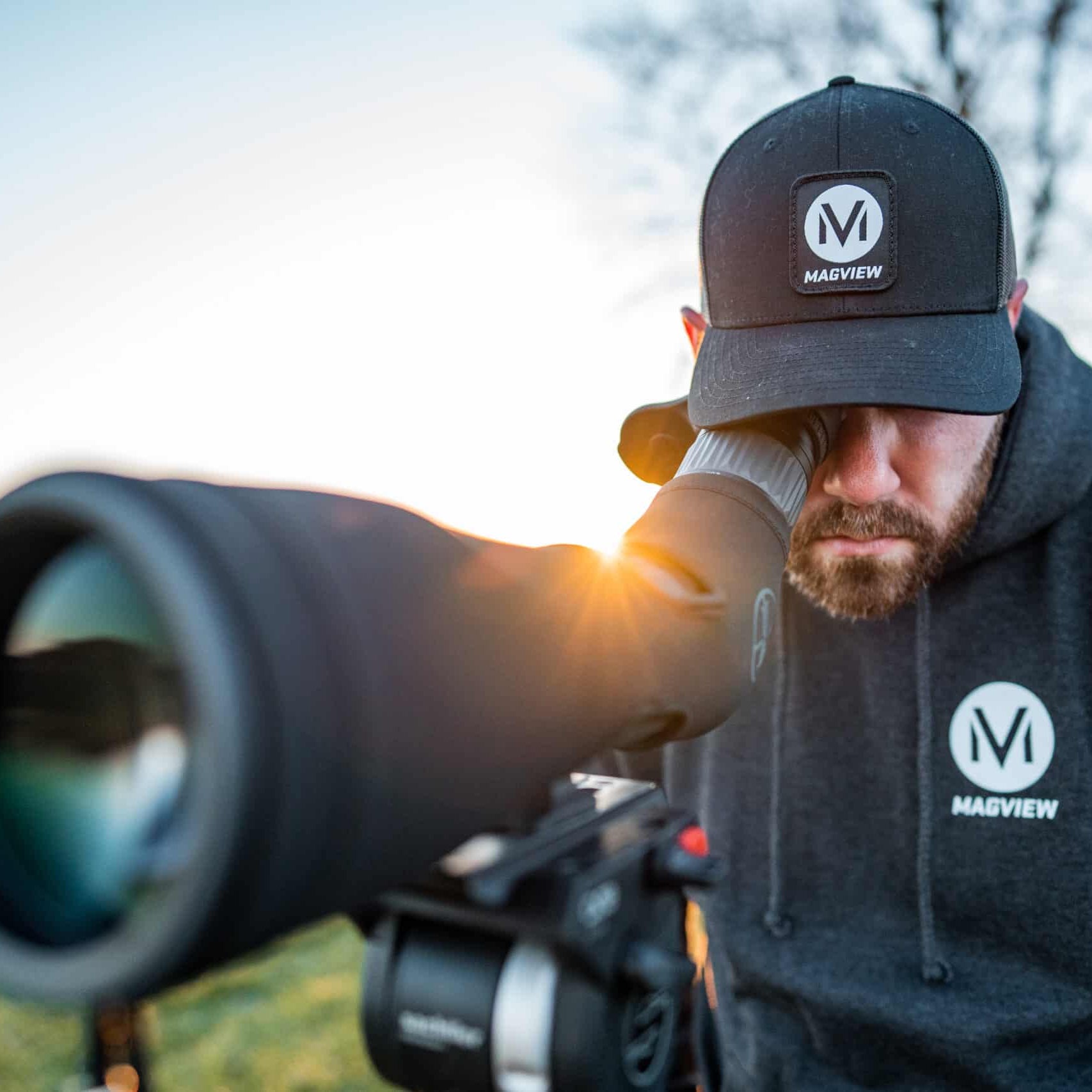
When digiscoping at high magnification, a tripod or other solid support can still make a major difference. Stabilization and a tripod work together: the optic's stabilization system helps compensate for movement while the tripod provides a solid foundation.
This is especially important when capturing still photos or video where even small movements are noticeable. For more information about how your tripod setup can impact digiscoping, check out How Tripod Head Style Impacts your Digiscoping Experience and How to Reduce Digiscoping Camera Shake.
Where MAGVIEW Fits In
The optic is only one part of a successful digiscoping setup. Once you've found the perfect subject, you need a reliable way to connect your smartphone to the optic.
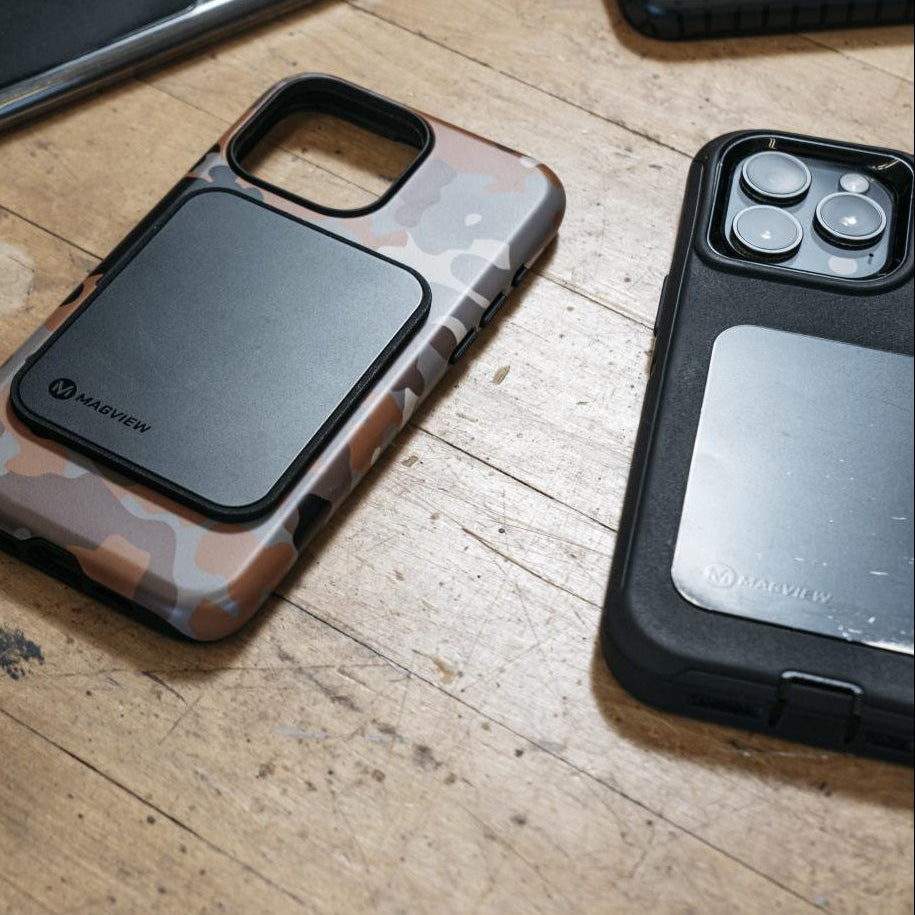
MAGVIEW digiscoping adapters are designed to make connecting your smartphone to your spotting scope or other compatible optics fast and repeatable. MAGVIEW digiscoping adapters utilize strong rare-earth magnets to securely attach your smartphone directly to your optics without the need for a specialized phone case.
MAGVIEW offers several models to fit a wide range of optic styles and eyepieces. If you are planning on using a stabilized spotting scope, the MAGVIEW S1 digiscoping adapter may be the best option for you. The S1 is easy to install, even easier to use and it even acts as a protective dust cover when not in use.
For most stabilized binoculars MAGVIEW offers the B1. The MAGVIEW B1 digiscoping adapter mounts to one of the binoculars eyepieces while your smartphone camera looks through the other eyepiece. The B1 is low profile and allows you to still use your binoculars with it attached.
For iPhone® users, don’t forget the MAGVIEW Magsafe® Compatible Phone Plate. The standard included MAGVIEW plate uses adhesive to attach to the back of your phone, but for phones that use Magsafe wireless charging technology there is a better option. The MAGVIEW Magsafe Compatible Phone Plate uses the Magsafe built into the phone to attach to and is easily removeable for using other Magsafe accessories.
The result is a more streamlined setup that lets you spend less time fighting with your equipment and more time observing and capturing what's in front of you.

Stabilized Optics + MAGVIEW = A Powerful Combination
Pairing stabilized optics with a MAGVIEW digiscoping system can provide an excellent combination for anyone who wants to capture high-magnification images in the field.Stabilized optics help produce a steady view, while the MAGVIEW adapter provides a consistent connection between the optic and your smartphone.
Together, they can help:
- Make distant subjects easier to track
- Reduce unwanted movement in photos and video
- Make high magnification digiscoping easier
- Allow you to quickly transition between viewing and capturing
- Spend more time behind the optic and less time adjusting equipment
And because MAGVIEW is designed around quick, straightforward setup, you don't have to sacrifice portability or simplicity to get high-quality results.
Capture More of What You See
The best digiscoping setup is the one that allows you to spend less time worrying about your equipment and more time enjoying what's in front of you.
Stabilized optics can provide a steadier, more manageable viewing experience at high magnification. MAGVIEW adds a simple and reliable way to connect your smartphone to that optical system.
Whether you're documenting a rare bird, capturing a distant bull elk, or simply sharing an incredible view from the field, combining quality optics, a stable platform, and a dependable digiscoping adapter can help you capture more of those moments.
