

In this special guest blog post, DJ Steakley of the Buck Commander crew shares scouting techniques for finding big whitetail deer during the October lull. DJ is a wildlife biologist with a master’s degree from Mississippi State University, the owner of Non-Typical Land Management, and the manager of E3 Ranch.
The October Lull has become a common phrase in the white-tailed community. Bucks that were easily patterned in the early season suddenly become less visible. Trail cameras become less active and deer seemingly disappear. To combat the “lull” and be successful during this time of the year we first have to understand why it is happening. First, deer nutritional needs are shifting. What was once a protein heavy diet has started to shift to more carbohydrate focused. Bucks no longer need protein heavy foods to support antler growth and does no longer need it to support lactation. The high protein needs of deer in the early season are no longer there. They begin to target more carbohydrate dense foods. An agriculture field that was full of deer a few weeks ago now has less deer activity. Second, mast producing trees like oaks and persimmons begin to drop this time of year providing carb heavy alternatives. Deer need these foods to build fat to sustain them through the winter months. This combination results in deer seemingly becoming less active.
The Facts
The fact is, despite the name “October Lull”, deer movement is steadily increasing during this time of the year. Even daylight buck movement is on a steady increase as we near the rut in much of the whitetails range. With this in mind, we have to adjust our scouting techniques. Trail cameras are a great tool for scouting and we rely heavily on the information we gather from them. However, trail cameras only give a glimpse of what is actually happening. Bucks that may appear on camera right after daylight may, in fact, be in the area during shooting hours. To have a better understanding of deer movement in real time we turn our focus to in person scouting.

The Focus
This time of year we focus on fall food plots, travel corridors, and transition areas. Natural browse is declining in nutrition, leaves are falling, plants are starting to brown out. Fall food plots provide deer with fresh green browse in a time when it is scarce on the landscape. Because of this, food plots can be a huge draw this time of year. Travel corridors are
another area we key in on. Areas like creek bottoms, timber fingers, or even fence rows can be great spots to catch bucks cruising from one spot to the next. These areas typically have oaks and other mast producing trees which deer gravitate towards this time of year. Transition areas are perhaps the most important and the most overlooked. Think of areas that provide cover between bedding areas and food sources. This can be as simple as an overgrown field between a thick bedding area and a food plot or block of timber. An area where deer feel safe to travel back and forth between food and cover.
The How
Scouting in person comes with a level of risk. Do I risk bumping deer going into the spot? Am I doing more harm than good going in to scout an area? Am I putting pressure on an area where I think a big buck is? All of these things need to be considered when deciding when and how to scout an area. First thing to consider is ingress and egress. Can I get in and out of this area without spooking deer? When scouting an area often times I will set up in a spot with the shortest walk in and best vantage point. Where can I set up to see the most and spook the least? In food plots it’s often difficult to scout without being in the stand. If this is the case I only pick spots where I can get in and out of the stand without disturbing deer. In areas that allow I will even hang a separate stand back away from the plot just to use for scouting. In travel corridors or transition areas I focus on the edges. Timber edges, or a draw that comes through where I can slip in and out unnoticed. Scouting from a distance is key. The further you can get from the area but still have a good vantage is the best spot. This were a good pair of binoculars or a spotting scope come in handy. To be able to watch what deer are using the area and how they are using it gives us an advantage when it comes time to hunt. Whether that is determining where to hang a new stand or what wind works best for an existing stand. All of these become a factor when trying to hunt a big whitetail. The last thing to consider when deciding what area to scout or when to scout it is the wind. On days with low or swirling winds I often forego scouting in the fear of the wind switching and being winded by deer. A steady wind in an upwind position are critical.

The Tools
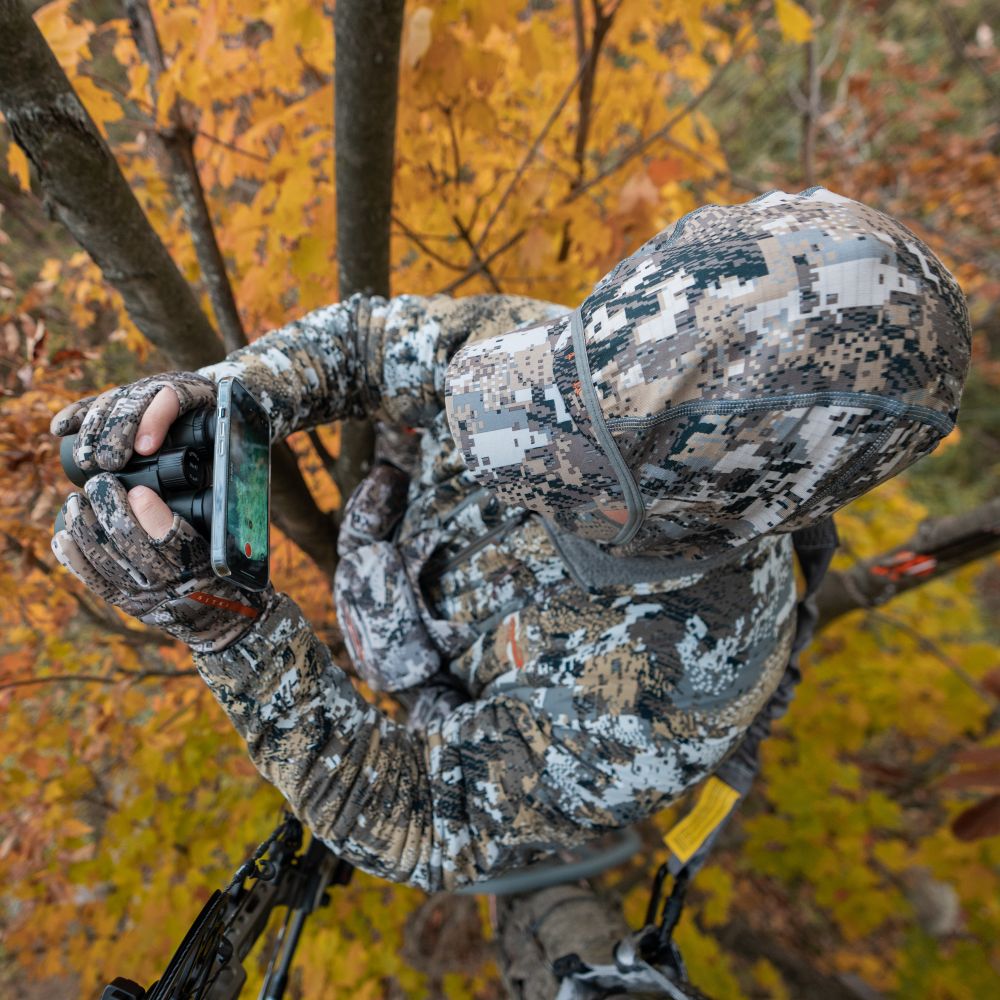
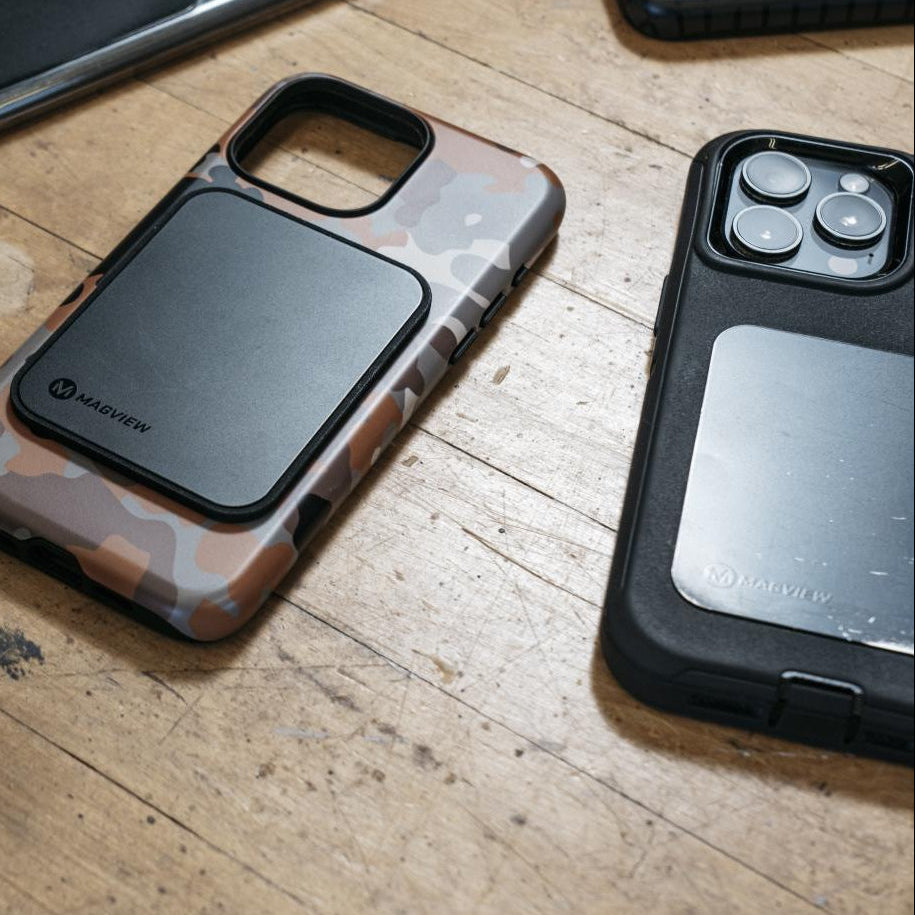
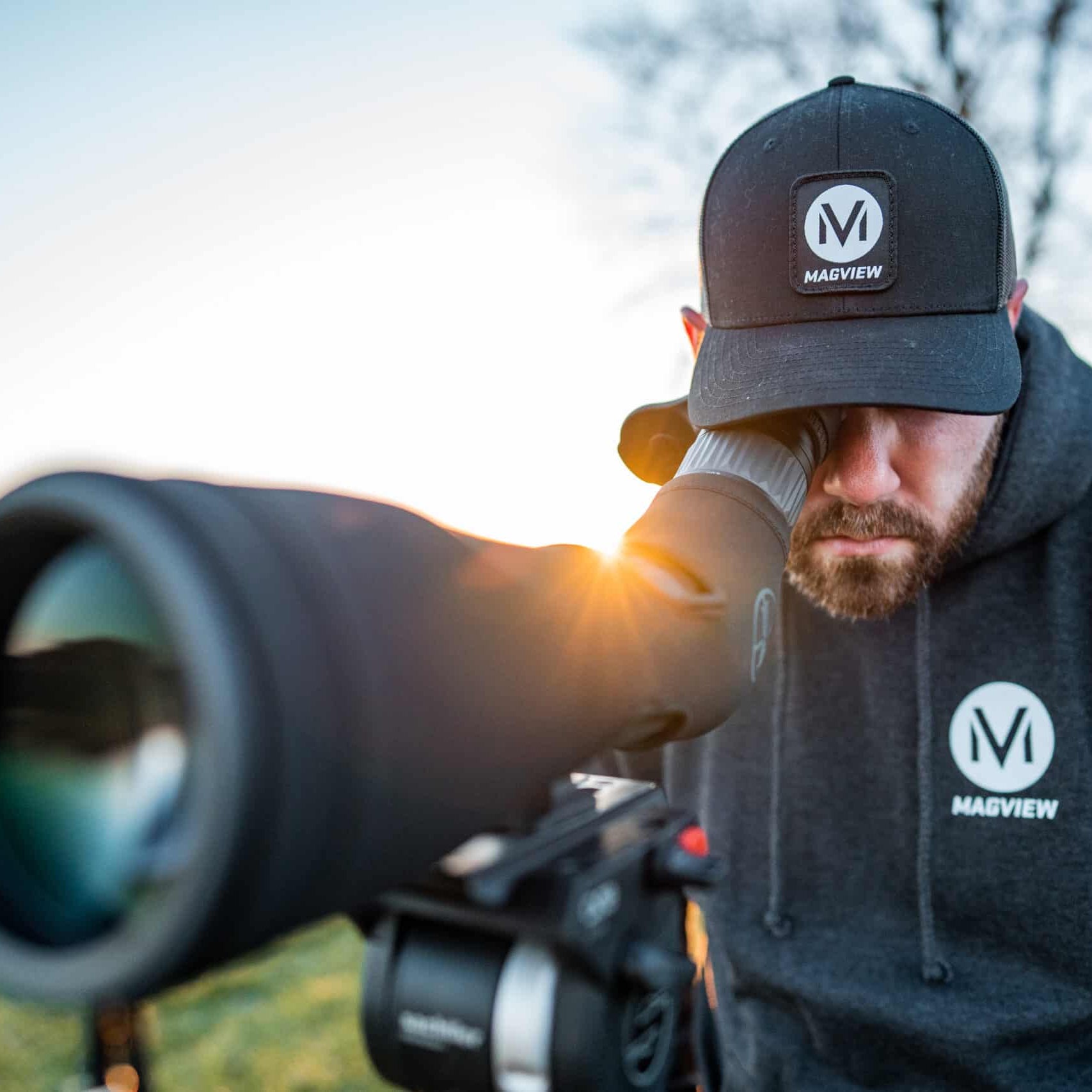
As previously discussed a good pair of binoculars or a spotting scope are a must when scouting an area. Binoculars are a great choice for shorter distances or having to pick through thicker areas. Spotting scopes are great for scouting at longer distances in more open terrain. Whether I'm using binoculars or a spotting scope I want a way of being able to capture and record what I’m seeing. MAGVIEW® makes that easy. No need for a camera or bulky system. I can simply attach an adapter on my binoculars (MAGVIEW B1) or spotting scope (MAGVIEW S1) and record through my phone. Whether I want footage of a specific deer to show later, or even get a better look to determine age or score, I can do that with MAGVIEW.
The Takeaway
Scouting is an important process in what we do to consistently harvest big mature whitetails. Knowing when, where, and how to scout an area is the key. There is a fine line between scouting an area and pressuring an area. When it all comes together it makes for a successful season. Whether you are in a new area or looking for a specific buck get out and scout. When you do have the tools and knowledge to make it worth while.
Click Here to learn more about Buck Commander.
